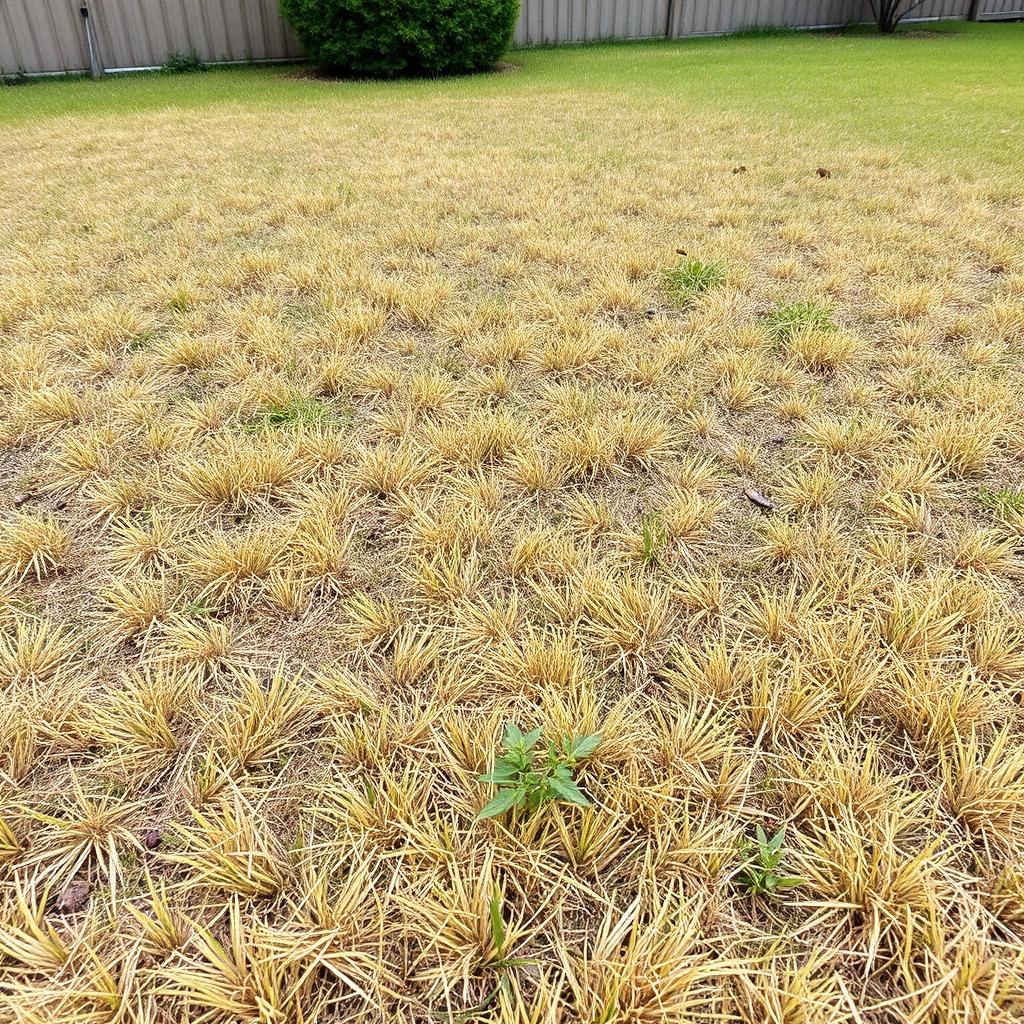
My Grass Is Turning Brown — Will It Die?
Brown grass is the number one question we get in July and August. The good news: most of the time it's not dead. The bad news: if you ignore it for too long, it will be.
Here's how to tell what's actually happening in your Winnipeg yard and what to do about it.
Dormant or Dead? How to Tell
Kentucky bluegrass — what most Winnipeg lawns are made of — goes dormant in drought. The blades turn straw-coloured and crunchy, but the crown and roots are still alive underground. Water it deeply and it greens up within a week or two.
The simple test: grab a handful and pull. Dormant grass holds firm in the soil. Dead grass pulls out cleanly in tufts with no resistance. If it comes up easy, that section is gone.
Most Common Causes in Winnipeg
Drought stress. July and August get hot and dry, and a lot of Winnipeg homeowners stop watering once the grass slows down. That's usually fine for established lawns — but new sod, thin lawns, or sandy spots will burn.
Dog urine. Round brown spots about the size of a dinner plate, usually with darker green grass around the edge. The grass underneath is almost always dead and needs to be reseeded or patched.
Chinch bugs. Tiny insects that suck the sap out of grass blades. They love hot dry weather and south-facing lawns. The damage looks like drought but doesn't recover when you water. You'll see them if you part the grass and look at the soil — small black-and-white bugs.
Compacted soil over clay. New builds in Bridgwater, Sage Creek, and Waverley West often have this. Grass on compacted clay can't develop deep roots, so it browns out the first time the weather turns.
Buried debris. If the brown patch is in the exact same spot every year and nothing else fits, dig down a few inches. Builders sometimes bury chunks of concrete, lumber, or plastic that block roots.
What You Can Do This Week
Water deeply, not often. One inch per week, all at once, early morning. A tuna can on the lawn helps you measure. Light daily sprinkling makes the problem worse because roots stay shallow.
Mow high. Set the blade to 3 inches or higher. Tall grass shades the soil, retains moisture, and recovers faster. Short-cut lawns brown out first every summer.
Skip the fertilizer in heat. Fertilizing a stressed lawn in July burns it. Wait until mid-September when the weather cools, then feed it heading into fall.
When the Lawn Is Past Saving
If more than 40% of the lawn pulls out cleanly, patching isn't going to do it. You're better off stripping the dead sections and laying fresh sod. Patching small areas works for under 10% damage — anything more and the colour difference is permanent.
Lawns more than 10 years old that have thinned out, gone weedy, and brown out every summer are usually a full replacement at this point. The math on patching a tired lawn rarely beats just installing fresh sod and being done with it.
When to Get Someone Out
If you're not sure whether your lawn is dormant, infested, or actually finished, send us a couple of photos through the contact form. We'll tell you straight whether it's worth saving or worth replacing. No charge to look, and no pressure to book.
If it does need replacement, the $200 new-customer credit applies to sod installation in Winnipeg and full-yard makeovers. Fall is actually one of the best windows to install sod in Manitoba — cooler weather, less watering, and a fully-rooted lawn ready for next spring.
Ready to Fix Your Yard?
Get a free estimate with no obligation. We'll come look at your yard and give you a straight answer about what works best.
Get a Free Estimate